
Dental Bridges
Restore Your Smile with a Dental Bridge in San Jose, CA
Missing teeth can change how you chew, how you speak, and how your other teeth sit in your mouth. Left unaddressed, a single gap can shift neighboring teeth, strain your gums, and even age the shape of your face. For residents in San Jose, a dental bridge is one of the most trusted solutions to restore your bite, speech, and smile. Below, we’ll guide you through what dental bridges are, the types we offer, how the procedure works, and how to decide if a bridge is right for you.
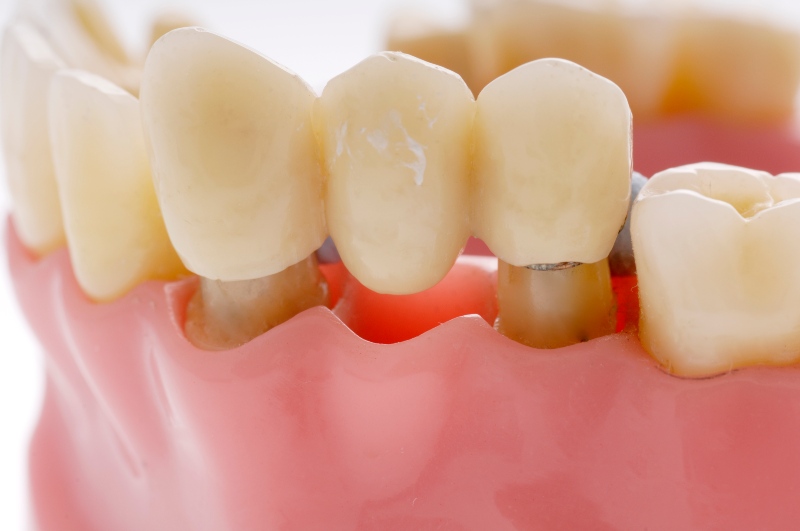
What Are Dental Bridges?
A dental bridge is a fixed dental restoration that fills the gap left by one or more missing teeth. It works by placing crowns on the healthy teeth on either side of the gap (called abutment teeth), which then support a false tooth, known as a pontic, in the middle. The result is a seamless restoration that blends in with your natural teeth.
Unlike removable dentures, a bridge is cemented permanently in place. You brush and floss around it just like your own teeth, and it stays put when you eat or speak. For many San Jose patients, a bridge offers the ideal balance of function, appearance, and affordability.
Types of Dental Bridges We Offer
There are several types of dental bridges, and the right one depends on where your missing tooth is located and the health of the surrounding teeth. Here are the main options:
- Traditional Bridges – This is the most common type of dental bridge. A pontic is held in place by crowns cemented onto the natural teeth on both sides of the gap. Traditional bridges are best when you have healthy teeth on either side.
- Cantilever Bridges – These bridges are used when there’s only one healthy tooth next to the gap. The pontic is anchored to a single abutment tooth.
- Maryland Bridges – A more conservative option that uses a metal or porcelain framework bonded to the backs of adjacent teeth, rather than crowns. This preserves more of your natural tooth structure.
- Implant-Supported Bridges – A dental implant bridge is anchored to titanium posts placed in the jawbone rather than to neighboring teeth. This option offers excellent stability and is ideal when several teeth in a row are missing.
Our Dental Bridge Procedure
Our dental bridge procedure is straightforward and typically requires just two visits spaced a few weeks apart. Here’s what to expect:
- Preparing the Abutment Teeth – At your first appointment, we gently reshape the teeth on either side of the gap by removing a small portion of enamel. This makes room for the crowns that’ll hold your bridge in place.
- Taking Impressions – We take precise impressions of your teeth and send them to a dental lab, where your custom bridge is crafted to match your bite and the shade of your natural teeth. You’ll wear a temporary bridge in the meantime.
- Placing the Bridge – At your second visit, we remove the temporary bridge, check the fit and color of your permanent one, and cement it securely into place.
Key Benefits of Dental Bridges
Dental bridges offer many practical benefits that make them a popular choice for patients looking to restore their smile. Whether you’re weighing your options against dentures or implants, here’s why a bridge might be the right solution for you:
- More Stable and Comfortable Than Dentures – Bridges are cemented securely in place, so they feel natural, stay stable when you chew, and never require nightly removal or soaking.
- Faster Than Implants – A dental bridge usually takes just two visits, while implants require months of healing time before a crown can be attached.
- Lower Upfront Cost – Bridges are generally more affordable than implants and are often covered by dental insurance.
- Ideal for Replacing Multiple Teeth – When several teeth in a row are missing, a bridge can restore them with fewer procedures than placing individual implants.
- Suitable When Bone Support Is Limited – Because a traditional bridge attaches to existing teeth rather than the jawbone, it’s an excellent alternative when bone loss makes implants difficult.
Signs You May Need a Dental Bridge
Missing teeth can impact your ability to eat, speak, and even the alignment of your surrounding teeth. Here are some of the most common signs that a dental bridge could help:
- You have one or more missing teeth and a gap in your smile.
- You find it difficult to chew certain foods.
- You’ve noticed changes in your speech or a slight lisp.
- Your neighboring teeth are beginning to shift toward the gap.
- You want a fixed, non-removable alternative to dentures.
- Your face has started to look sunken where teeth are missing.
What’s the Difference Between a Dental Bridge and a Dental Implant?
Both a dental bridge and a dental implant are long-term ways to replace missing teeth, but they work differently and each suits different needs.
A dental bridge relies on the neighboring teeth for support. Those teeth are reshaped and crowned to hold the false tooth in place. Dental implants, by contrast, are self-supporting. A titanium post is placed directly into the jawbone, and a crown is attached on top.
Choose a dental bridge if you want a faster, more affordable solution, you’re replacing multiple teeth in a row, or bone loss makes implants difficult. Choose a dental implant if long-term durability matters most and you want to avoid altering healthy neighboring teeth. Implants often last 15 years or more, while bridges typically last five to 10 years.
How to Care for Your Dental Bridge
A dental bridge relies on the surrounding teeth for support, so keeping those teeth healthy is essential. With these good habits, your bridge can serve you well for many years:
- Brush twice a day with fluoride toothpaste, paying attention to the area where the bridge meets your gums.
- Floss daily, using a floss threader or interdental brush to clean underneath the pontic where food and plaque collect.
- Watch for decay at the edges. Because bridges are cemented to natural teeth, decay can form where the crown meets the tooth if plaque builds.
- Keep up with professional cleanings. Regular dental visits let us catch small problems early and keep your bridge in top shape.
- Avoid hard foods such as ice or hard candy that can damage the restoration.
A Complete Smile Starts With a Consultation
A dental bridge is a natural-looking way to fill the gap left by missing teeth, restoring your bite, your speech, and your confidence in just two visits. Whether you’re weighing a traditional bridge or a dental implant bridge, the first step is a simple consultation.
Our team at Comfort Dental Group is here to assess your smile, answer your questions, and design a treatment plan built around your needs and budget. Don’t let missing teeth hold you back. Schedule your consultation today.
Frequently Asked Questions
People get dental bridges to replace one or more missing teeth and restore their ability to chew, speak, and smile with confidence. Bridges also protect the surrounding teeth from shifting into the gap, which helps maintain proper bite alignment and overall oral health.
Many dental insurance plans cover some or all of the cost of a dental bridge, which makes it a budget-friendly option for many patients. Coverage varies by plan, so we recommend checking with your provider.
With proper care, a well-made dental bridge typically lasts between five and 10 years, and often longer. How long dental bridges last ultimately depends on your oral hygiene, diet, and regular dental checkups.
No. A modern dental bridge is custom-made to match the shape and color of your natural teeth, so it blends in seamlessly. Most people won’t be able to tell you have one, and many patients find their speech and smile improve after treatment.
Dental bridges don’t require complicated care, but they do need consistent attention. Brush twice daily, floss beneath the bridge with a threader or interdental brush, and keep up with regular cleanings.
Most people with one or more missing teeth are good candidates for a dental bridge, provided they have healthy adjacent teeth and gums to support it. If the neighboring teeth aren’t strong enough, an implant-supported bridge may be a better option.